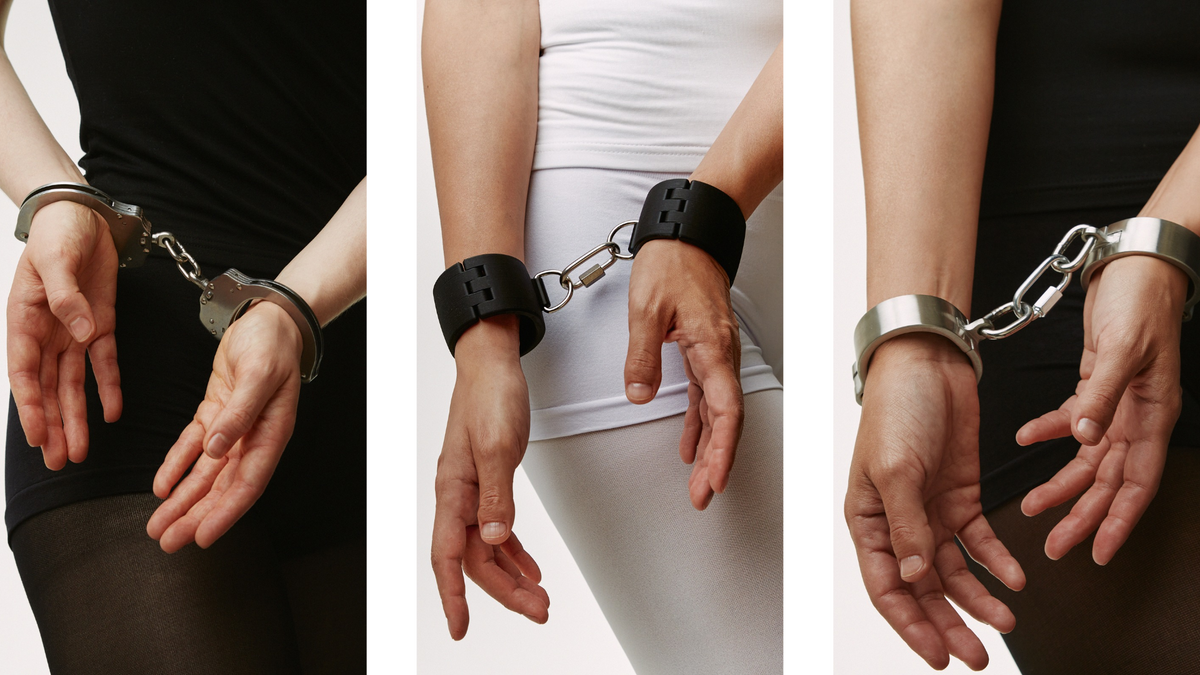
Packing for a trip and wondering whether your cuffs can come along? It is one of the questions we get most often, and the short version is reassuring: in most cases, yes. But airports, airlines and borders each have their own rules, so a little planning saves you a lot of awkwardness at security. Here is a clear, practical guide to flying with handcuffs and other restraints, including our own metal cuffs and the MagBound® electromagnetic lock.
A short disclaimer: this is general information, not legal advice. Rules change and vary by route, so always check the current rules for your airline and destination before you fly.
The Short Answer: Can You Fly With Handcuffs?
In the United States, the TSA lists handcuffs as allowed in both carry-on and checked bags. The officer at the checkpoint always has the final say, but as a baseline, handcuffs are not a prohibited item. If you want the smoothest possible trip, pack metal restraints in your checked bag. That keeps them out of the carry-on X-ray, where a solid piece of metal can prompt a closer look.
Carry-On or Checked: Where to Pack Them
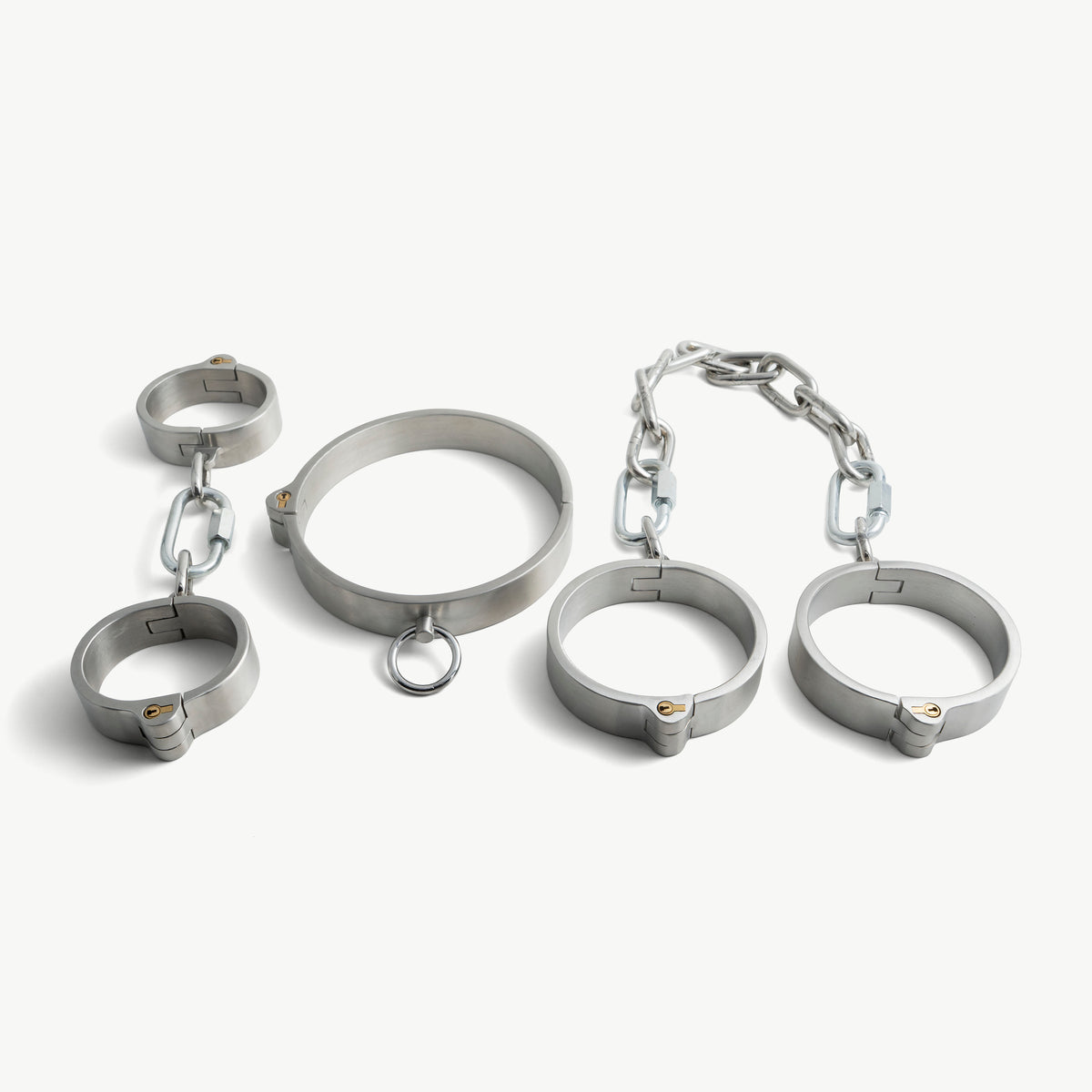
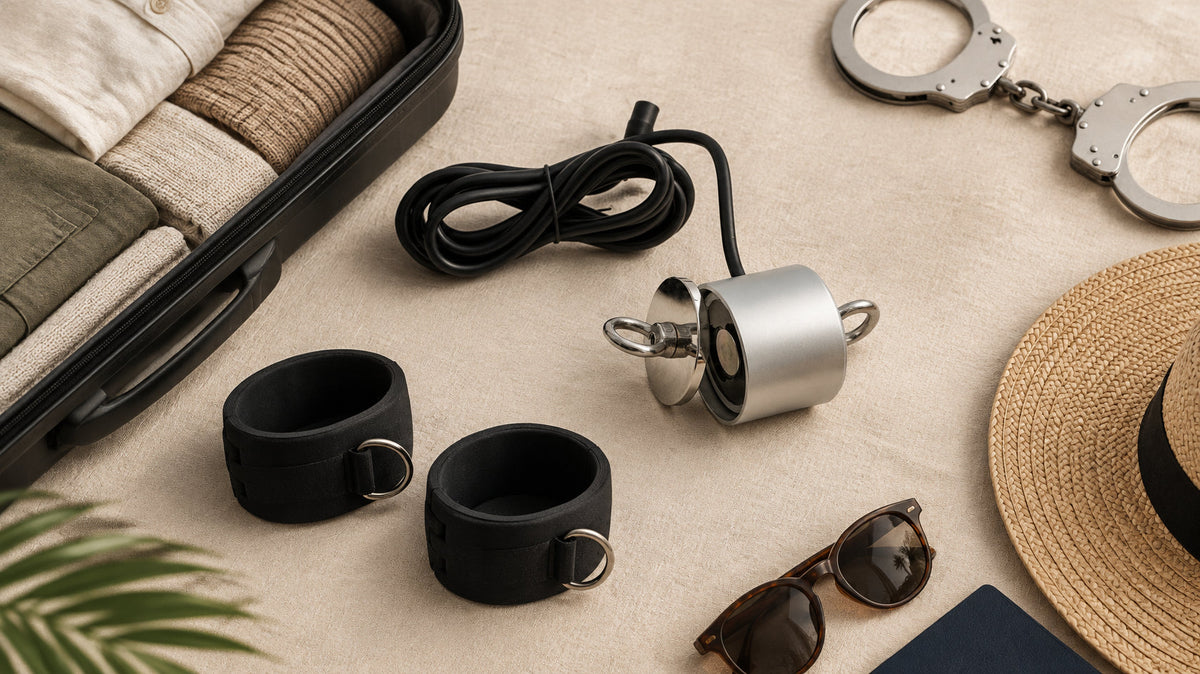
For metal cuffs, collars and locks, checked luggage is the low-friction choice. They are heavier, they are unmistakably metal on an X-ray, and in a carry-on they are the kind of thing that can get your bag pulled for a hand search. None of that is forbidden, it just costs time. A few things that help: pack the gear where it is easy to reach, and resist the urge to bury or hide it. If an officer has to dig, that is when things get damaged or delayed. This is where lighter gear has an edge. Our Quick Cuffs are a good example: 3D-printed and lightweight, they draw much less attention on an X-ray and are easy to pack in a carry-on.
Going Through Security: What to Expect
If you do carry restraints in your hand luggage, expect the possibility of a second look. Metal sets off the scanner, and an officer may open your bag to see what the shape is. The way to make it painless is to be matter-of-fact: place the item in its own tray, and if asked, describe it plainly as a restraint or a lock. There is nothing to be embarrassed about, and a calm, clear answer moves things along faster than a flustered one.
Traveling With Your MagBound®
Our MagBound® is an electromagnetic lock, and it travels more easily than people expect. There is no battery inside the device itself, so the usual lithium-battery restrictions do not apply to the lock. The power comes from a separate power bank, which belongs in your carry-on; power banks up to 100 Wh travel without special approval. One rule of thumb: never leave the MagBound® connected to power while traveling, because an energized electromagnet is magnetic, while an unpowered one is essentially just a metal block. That metal block, with its cable and small circuit board, can look unusual on an X-ray and may trigger a secondary check or a quick swab. It helps to coil the cable, place the lock in its own tray, and describe it as an electromagnetic lock without a battery.
Know the Law at Your Destination
This is the part that needs real care, because it is where the rules get strict and specific. Handcuffs and restraints are treated very differently depending on where you land. Some places restrict or regulate them, and a few prohibit restraints or adult products outright, with real consequences for getting it wrong. We are deliberately not publishing a country-by-country legal table here, because the rules change and depend on how an item is classified locally. Within the EU, handcuffs are not on the standard list of items banned from the cabin, but practice between airports is inconsistent, so checked luggage is again the safer bet. The safe approach is simple: before you travel, check the current rules for your destination with an official source, your airline, and if needed the country's embassy. When in doubt, pack restraints in your checked bag, or leave them at home for that trip.
A Few Practical Tips
- Pack metal and heavier pieces in your checked bag.
- If you pack cuffs in your hand luggage, keep the key with you so you can open them if asked. In checked luggage this makes no difference.
- Do not travel with a lock you cannot reliably open yourself.
Frequently Asked Questions
Can you bring handcuffs on a plane? In the US, yes. The TSA allows handcuffs in both carry-on and checked bags, with the checkpoint officer having the final say. For the fewest questions, pack them in checked luggage.
Should handcuffs go in carry-on or checked? Checked is easier for metal cuffs. They are obvious on an X-ray and can get a carry-on pulled for a hand search, which is allowed but slow.
Will handcuffs set off the airport scanner? Metal ones can, yes. Expect a possible bag check, place them in their own tray, and describe them plainly if asked.
Can you fly with a MagBound® or magnetic lock? Yes. The lock has no internal battery, and the power bank goes in your carry-on. Keep it disconnected in transit, and be ready for a possible swab, since the metal and electronics can prompt a second look.
Are handcuffs legal everywhere? No. Rules vary widely, and some countries restrict or prohibit restraints or adult items. Always check your destination's rules before you travel.
Wherever you are headed, a few minutes of planning means your gear arrives with you and your trip starts smoothly. Explore our restraints, read more about our timed locks in the MagBound® Time Lock FAQ. If you want a travel-friendly pair, our guide to choosing cuffs can help.